
Human Factors and Driver Behavior

Driver attention, workload, and decision-making in crash avoidance
We evaluate how drivers sense and perceive hazards, allocate attention, and make decisions under real-world time pressure using established cognitive and task-analysis methods. Our experts apply physical, visual, and cognitive task analyses to assess perception–response timing, competing task demands, and the limits of human performance in complex driving environments. These analyses help attorneys address issues of foreseeability, reasonable driver expectations, and whether a driver’s actions were consistent with accepted human-factors principles. By translating technical findings into clear, jury-comprehensible/relevant explanations, we provide defensible opinions that connect engineering evidence with real-world driver behavior.
Driver distraction, sleepiness, and impairment
Our experts assess how distraction, fatigue, and impairment affect driver performance and crash risk. We analyze smartphone use, cognitive load, sleep deprivation, and other behavioral factors that influence hazard detection, situational awareness, reaction time, and driver actions. Evaluations integrate scientific literature with case evidence such as phone records, vehicle data, and scene characteristics. This approach helps translate complex behavioral science into clear, defensible opinions for deposition and trial.
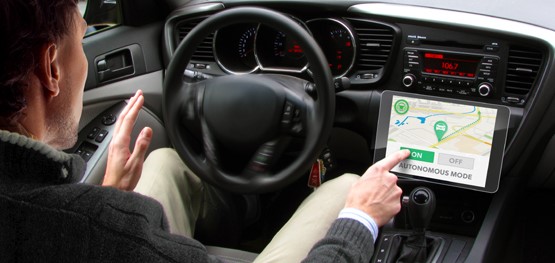
Driver–vehicle interface design and task demands, including smartphone interaction and in-vehicle technology use
Modern vehicles introduce new sources of cognitive and visual demand that can shape driver behavior. We evaluate infotainment systems, advanced driver-assistance system interfaces, alerts, and mobile-device interactions to determine whether design features increased workload or diverted attention from the roadway. Our analyses focus on usability, task duration, glance behavior, and driver expectations. These evaluations help attorneys understand how technology design can influence human performance and liability considerations.
Visibility and conspicuity
We analyze whether a hazard was reasonably visible and perceptually noticeable to a driver under the specific environmental and roadway conditions. This includes evaluations of lighting, contrast, vehicle lighting systems, object placement, and the factors that influence how quickly drivers detect and recognize hazards. Our opinions distinguish between physical visibility and perceptual conspicuity — a key issue in many litigation contexts. These analyses help clarify what a reasonable driver could see, when they could see it, and how that affects response timing.

Teen, inexperienced, and older driver behavior, including developmental, hazard-perception, experiential, and age-related performance factors
Drivers at different stages of life bring different capabilities and limitations to the roadway. We evaluate how inexperience, developing hazard-perception skills, and risk-taking tendencies influence teen and novice driver behavior, as well as how age-related changes may affect older drivers. Our analyses place driver actions within a scientifically grounded context rather than relying on assumptions or stereotypes. This perspective helps attorneys explain behavior in a way that juries and judges can clearly understand.